What Are Service Pump Parts?
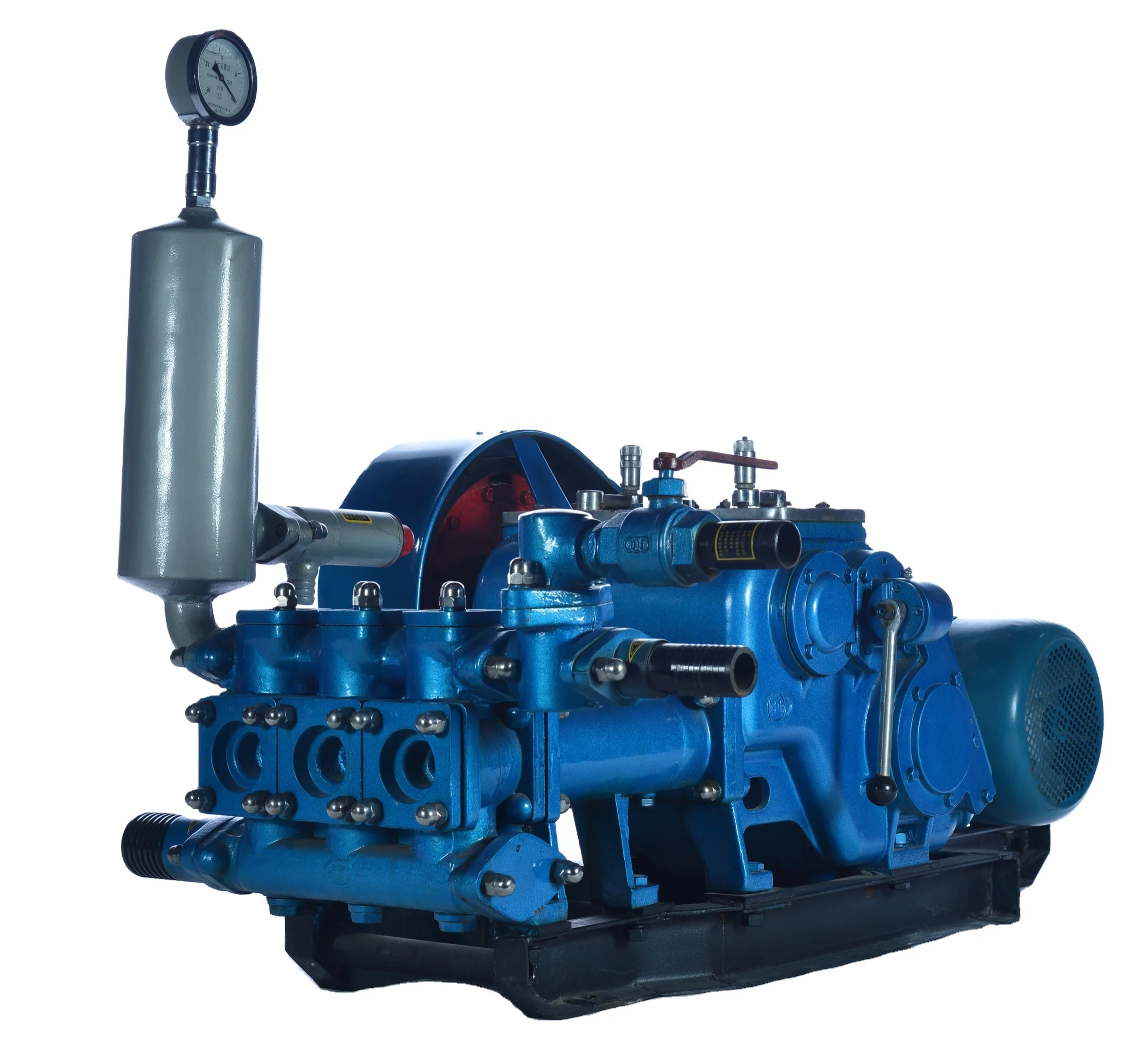
There are a number of key parts in service pumps that function together to move liquids. And one key component is the impeller. The impeller is a spinning element that assists in drawing the liquid in and throwing it out. It is typically a bit of metal or plastic, and it is formed to be able to move the liquid around.
Another essential piece is the case. The casing encloses the impeller and contains the passage for the fluid. It is typically constructed of durable substances like steel or cast iron and designed to withstand high pressure and heat. The casing also helps to prevent leaks and ensure the liquid moves fluidly.
How Does Pumps Efficiency Work?
A pump has to generate pressure to push water through the pipe. This is called head. Head gauges the amount of pressure the pump can build. That will depend on variables such as how quickly the impeller rotates and what the casing is like.
Another key idea is flow. Flow is volume of liquid that is transferred through the pump over time. The rate of flow is determined by the size and speed of the impeller. Because they know the relationship between pressure and flow, engineers can create pumps that operate efficiently: At given pressure levels, they ensure that the pumps keep fluid flow at comfortable levels.
Why Pressure and Flow Matter
For how well a pump works, pressure and flow are crucial. Pressure drives the liquid, while flow indicates how rapidly it’s moving. Engineers trade these two off to develop a pump that meets the requirements of a wide range of systems or industries.
Variable Speed Drives: One Solution for Handling Pressure and Flow The drives allow operators to adjust how rapidly the impeller spins. This has the effect of maintaining a uniform flow rate, even when the demand for liquid varies. Variable speed drives enable pumps to perform at their most-effective work.
Types of Service Pumps
Service pumps come in mud pump all shapes and sizes, with their individual parts and ways to work. The centrifugal pump is a common type of this kind. It generates pressure and pumping action by means of a rotating impeller. Another type is the positive displacement pump, which has chambers to hold and push out the liquid.
The principle may be the same regardless of type. The impeller generates pressure to discharge the liquid out of device. By examining how these parts function, engineers can tailor pumps to certain industries.
Why Pumps Are Important
Pumps are key across a range of industries, including sucker rod pumping manufacturing, agriculture and wastewater treatment. Pumps without pumps, the liquids are very difficult to move. They enable water, chemicals and oil to be moved.
In oil and gas, pumps are used to transfer crude oil from wells to refineries. On the farm, pumps irrigate crops. In industry, for example, pumps transport chemicals in production.
Finally, pumping in service leads to many important effects. That is part of our understanding triplex pump of them that leads us to keep them running well. Through researching the components of pumps and how pressure and flow operate, engineers can design pumps that cater to various industries. The truth is, pumps are at the heart of so many systems with which we interact on a daily basis.